Aderra - AI Market Research SaaS & UX UI Dashboard Design

The Insight Engine: From Concept to Aderra, a Launched AI Research Platform
Now live as Aderra. I was the lead designer behind this AI research platform. This is the story of what I built, the decisions that shaped it, and the value it created.
1. The Context: Drowning in Data
Market researchers often face a "fun complexity": they spend hundreds of hours recording interviews, only to spend hundreds more manually digging for insights. My mission was to design an AI-powered SaaS platform that listens, analyzes, and extracts key business intelligence instantly.
As the Lead Designer, I didn't just want to build a tool; I wanted to build a Single Source of Truth that helps researchers move from "collecting data" to "making decisions." A research tool nobody trusts is a research tool nobody uses.
2. The Discovery: Understanding the Competitive Landscape
Before drawing a single line, I needed to understand the "habits" of global users.
Competitor Analysis: I analyzed top players like Listenlabs.ai, Better Feedback, Versive, AudioForms and other data-heavy tools. I looked at their navigation patterns, data visualization styles, and common pitfalls.
The Goal: Identify what features were essential and where we could innovate to make the experience more intuitive for a global SaaS audience.
3. Digging Deep: User Research & Expert Insights
Since this was a professional SaaS tool, I had to ensure the design met high-level industry standards. I conducted a two-tier research process:
Broad Surveys: Sent to market researchers worldwide to identify the "pain points" of data fatigue.
Expert Interviews: I spoke with senior analysts and research directors to understand their daily workflows.
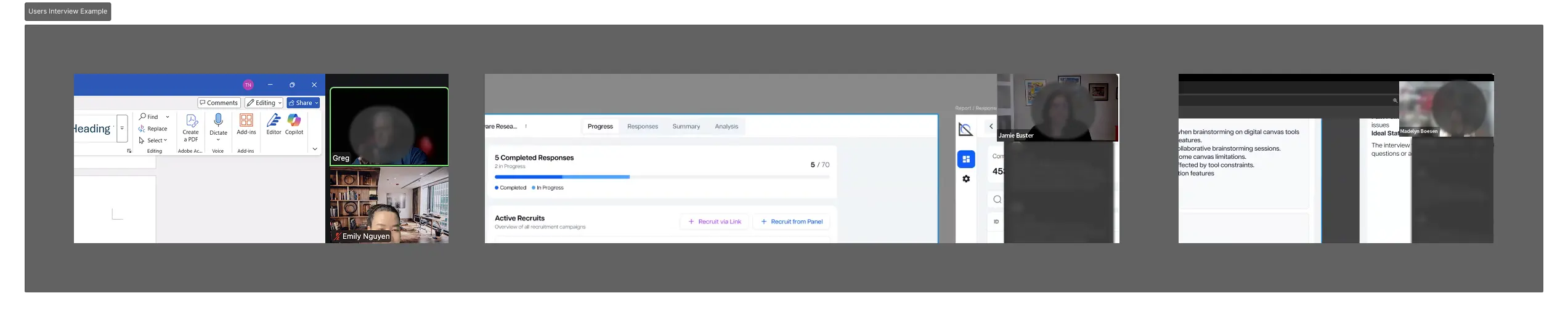
The Value of Expert Interviews: Uncovering the "Fraud Reality" These conversations were eye-opening. While I initially focused on data visualization, the experts pointed out a much deeper problem: Respondent Fraud. These interviews allowed me to prioritize features that truly matter in a professional research environment:
The Screener Dilemma: Experts revealed a harsh truth: "People just lie to pass screeners." This insight led me to design sophisticated "consistency traps" and digital identity verification flows to ensure data integrity.
The Fraud Hierarchy: Through these sessions, I learned to prioritize automated checks (detecting bots, AI-generated responses, and fake demographics) as the highest priority, rather than just focusing on manual quality control.
Linguistic & Behavioral Cues: Insights from veteran researchers helped me design UI markers for Medium Priority red flags, such as eye-tracking analysis to detect if a respondent is reading off a script or using unnatural fluency.
The Key Takeaway: Users didn't just want more data; they wanted verified, high-quality answers presented clearly. This research ensured my design for the "Insight Engine" wasn't just a pretty dashboard, but a robust system built on trust and real-world necessity.
4. The Strategy: Defining the Journey (Information Architecture)
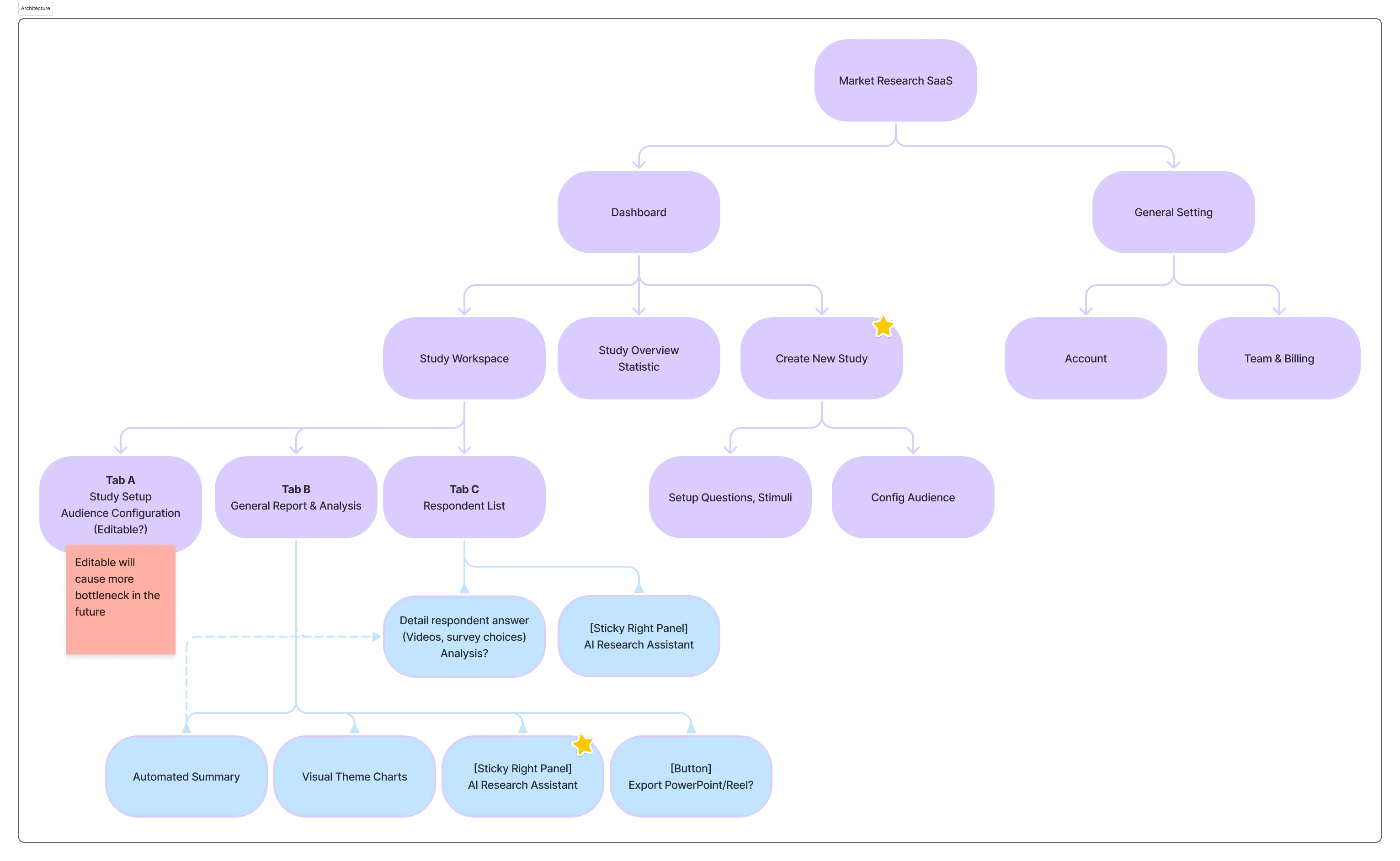
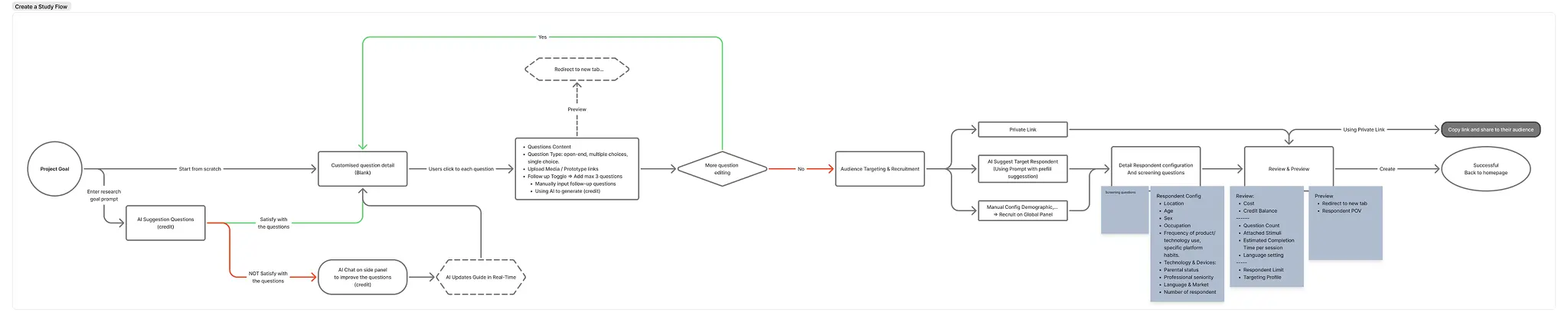
With massive amounts of audio, video, and text, the Information Architecture was critical. I mapped out user flows to ensure that a researcher could go from "Upload" to "Insight Report" in as few clicks as possible. I focused on a modular dashboard structure that could scale as the data grew.
5. Aligning the Vision: AI-Powered Brainstorming
To get the stakeholders and developers on the "same page" early on, I integrated AI into my design workflow:
ChatGPT & Claude (via MCP): I used ChatGPT to help synthesize complex interview transcripts into actionable user personas. By leveraging Claude’s Model Context Protocol (MCP), I was able to maintain a deep, contextual understanding of the project's documentation, using it to brainstorm layout logic and edge cases that a human might overlook during the early wireframing phase.
Google Stitch: I utilized Google Stitch to bridge the gap between our data backend and UI components. It allowed me to "stitch" together live data flows with my mockups, making sure the dashboard layouts could actually handle real-time AI processing without breaking the user's mental model.
The Result: This AI-powered workflow allowed me to present high-fidelity concepts to stakeholders and developers early on, ensuring everyone understood the technical requirements before we hit the "code" button.
6. The Foundation: Leveraging Radix UI & Untitled UI
Speed and scalability are essential for a global SaaS platform. To ensure we could launch quickly without sacrificing quality, I made a strategic choice in our design stack:
Curated Excellence: Rather than starting from zero, I leveraged Radix UI for its unstyled, accessible primitives and Untitled UI Library for its comprehensive, modern component set.
The Integration: Drawing on my 5 years of experience building clear design systems, I fine-tuned and customized these libraries to fit the project's specific data-visualization needs.
Purposeful Design: Combining Radix's flexibility with Untitled UI's professional polish let the team focus on solving the "complex but fascinating" problems of an AI tool, and made sure the final product wasn't just beautiful, but genuinely meaningful and useful for its users.
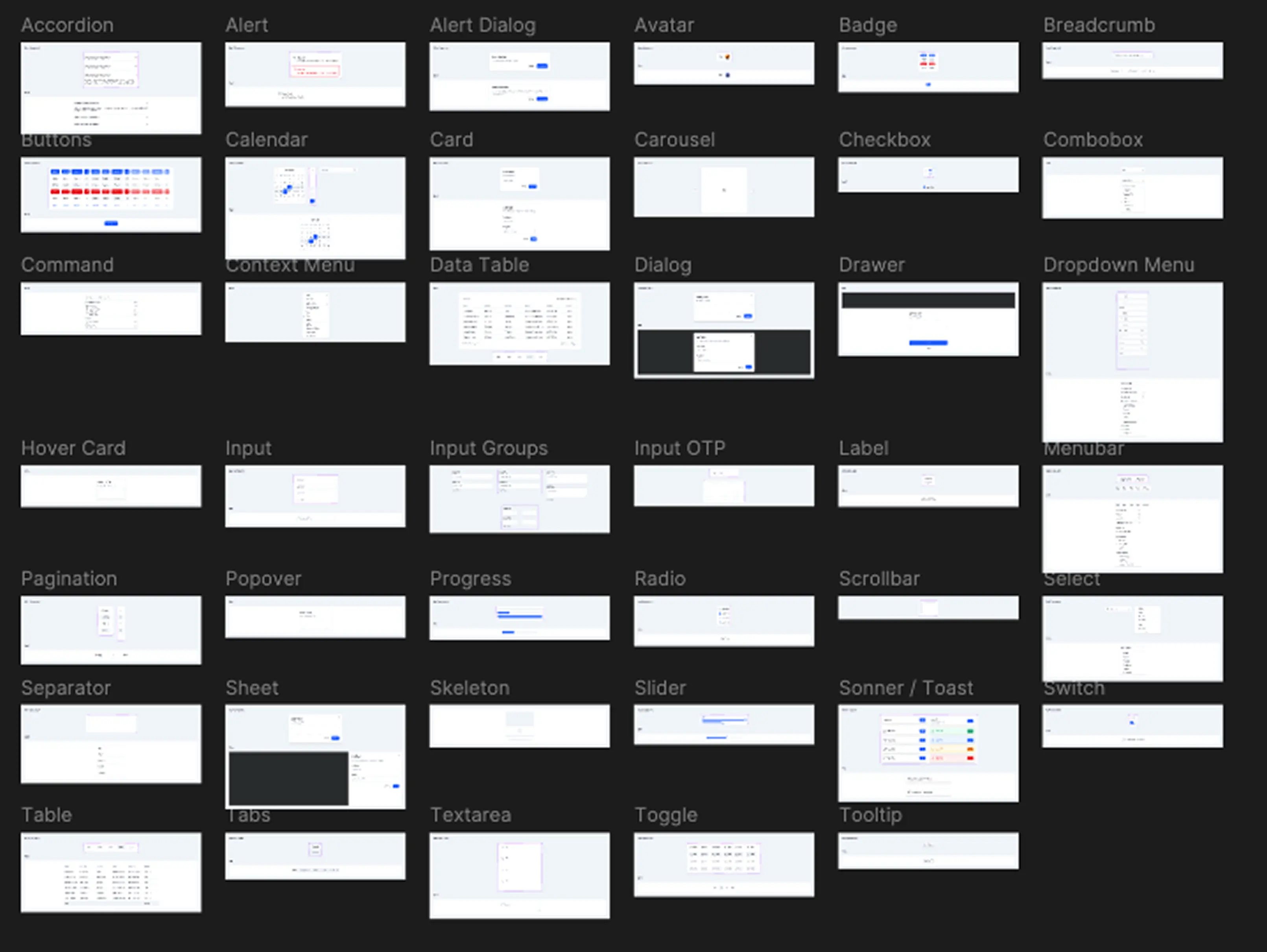
7. Final Delivery: Component-Based Design & Handover
Finally, I translated all insights into a comprehensive component-based design. Every chart, button, and report card was built to be reused across the entire SaaS ecosystem.

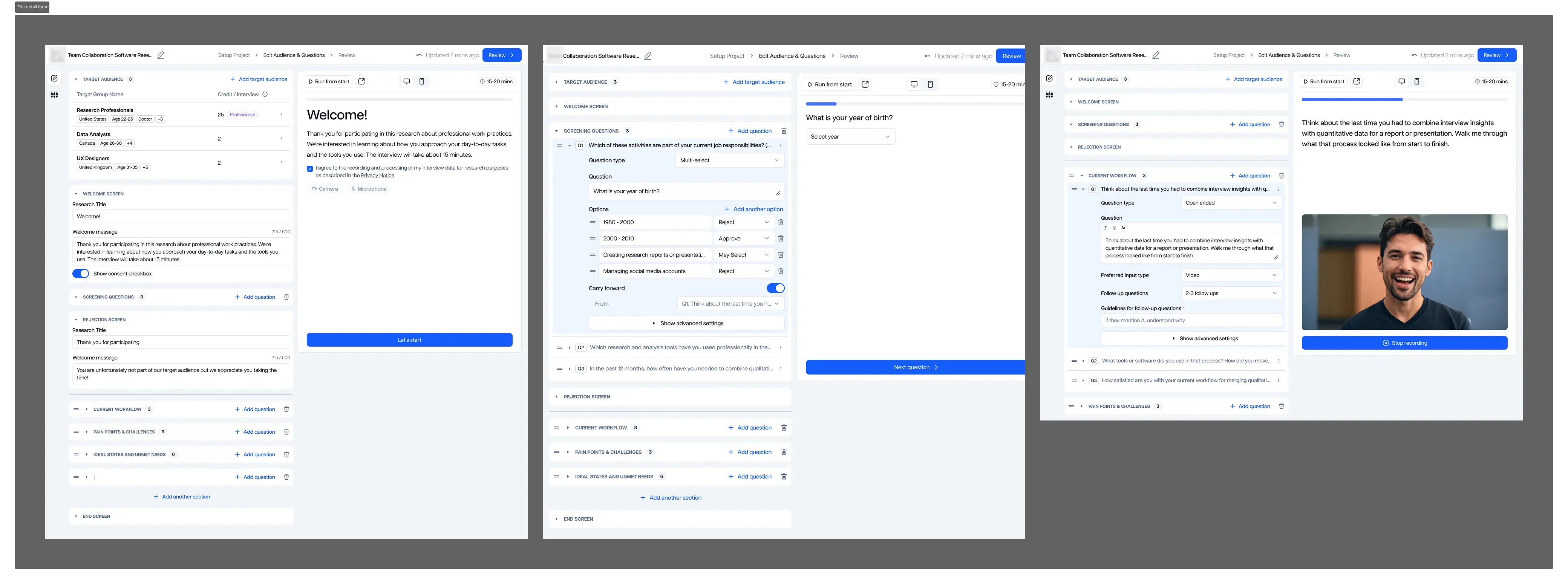
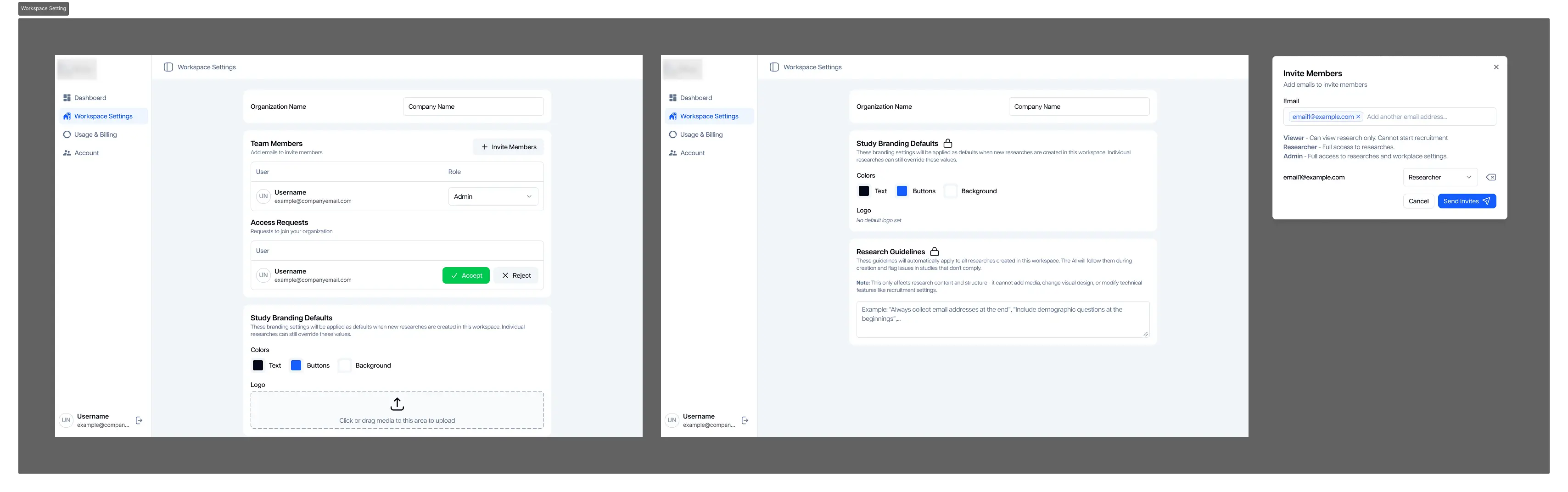
The Result: A professional, clean, and high-trust platform that turns "noise" into "knowledge."
8. What It Became: Aderra
The platform is now live as Aderra, an AI-moderated research platform for consumer brands. My part was the foundation underneath it: the research that moved the roadmap toward data quality, the information architecture that scales, the component system the team builds on, and the early concepts that kept stakeholders and developers aligned.
Fraud Control is now a headline feature, a direct descendant of the "consistency traps" I designed after the expert interviews.
From setup to first insights in about a day, instead of the hundreds of hours researchers described in my first interviews.
A reusable component system that new features are built on.
Watching a research finding turn into a shipped feature is the part of this project I am proudest of.